Craft · Portrait & Reportage
The Atelier
Corsets, alterations and bespoke tailoring. A visit to Anastasiia Rudkovskaia in her atelier in Klosters.
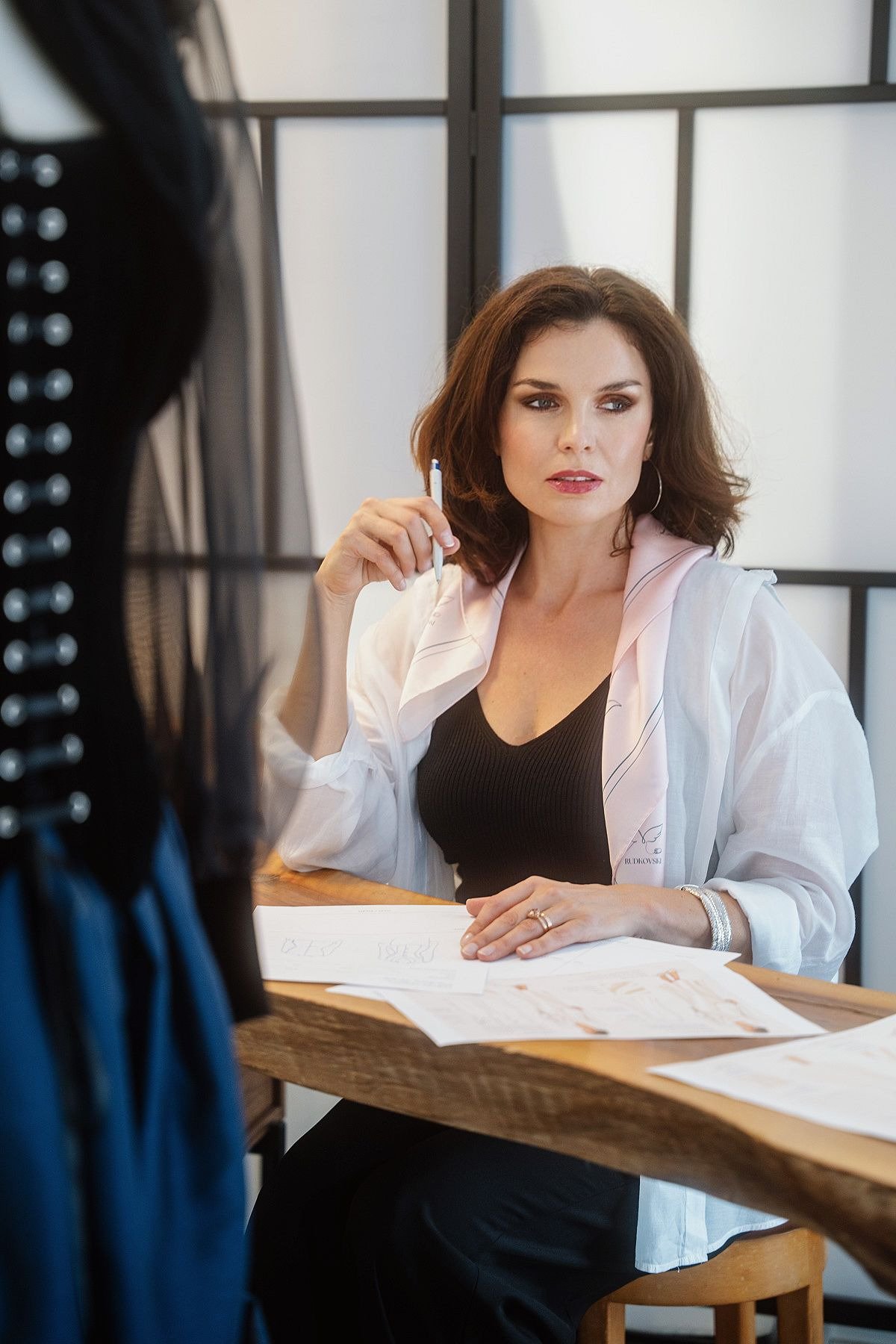
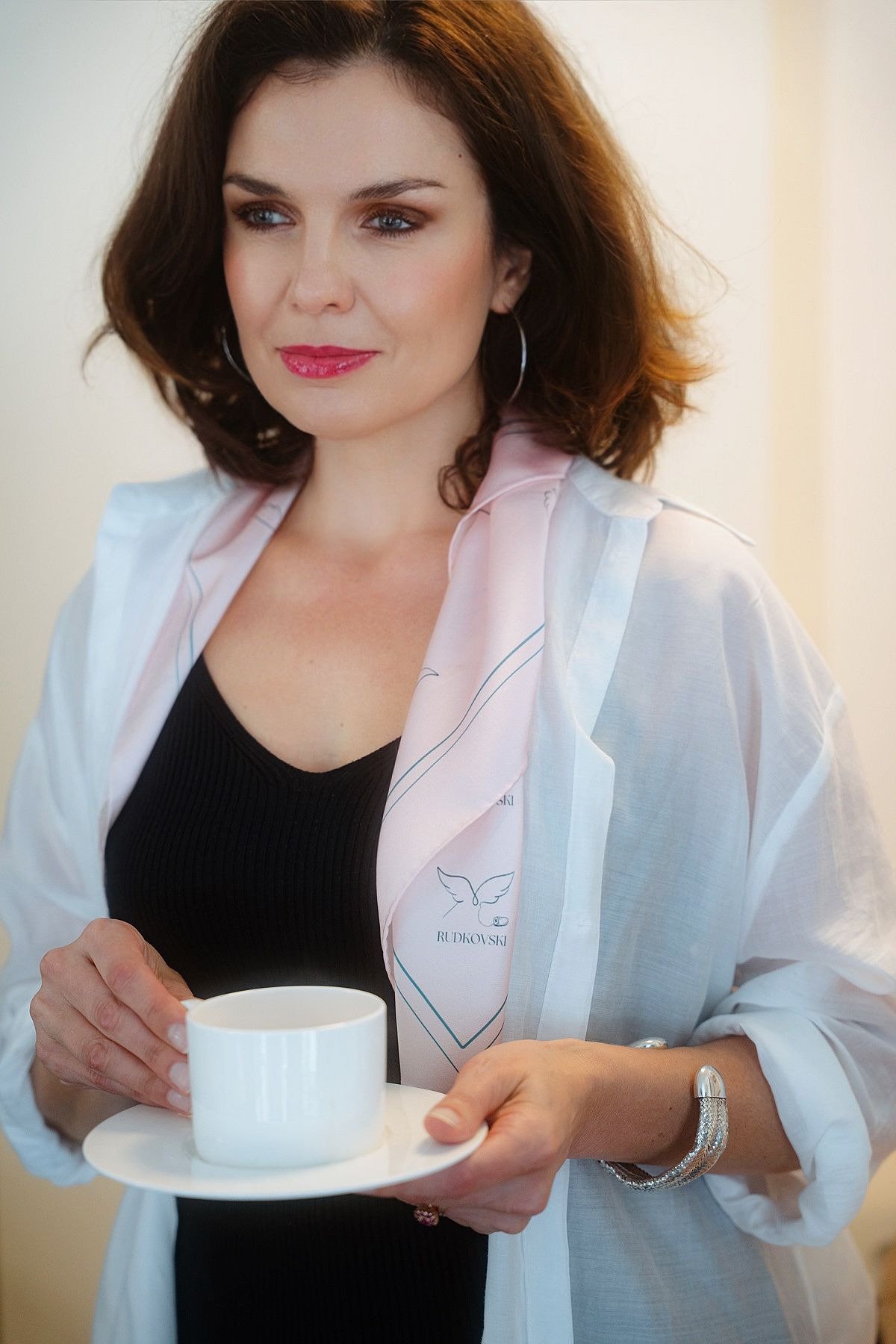
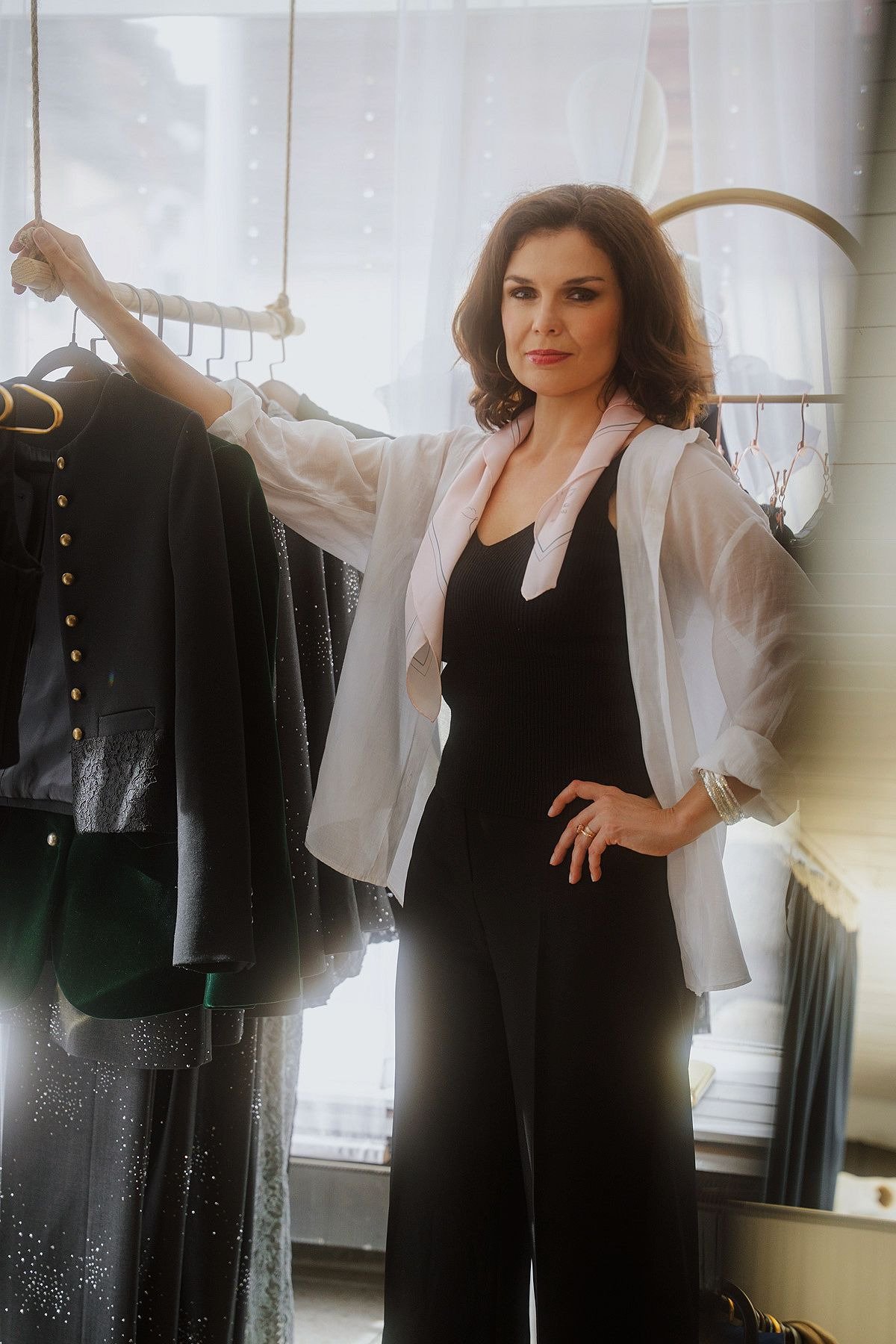
My name is Anastasiia Rudkovskaia. I am the founder of Atelier RUDKOVSKI in Klosters, Switzerland.
I
The Atelier
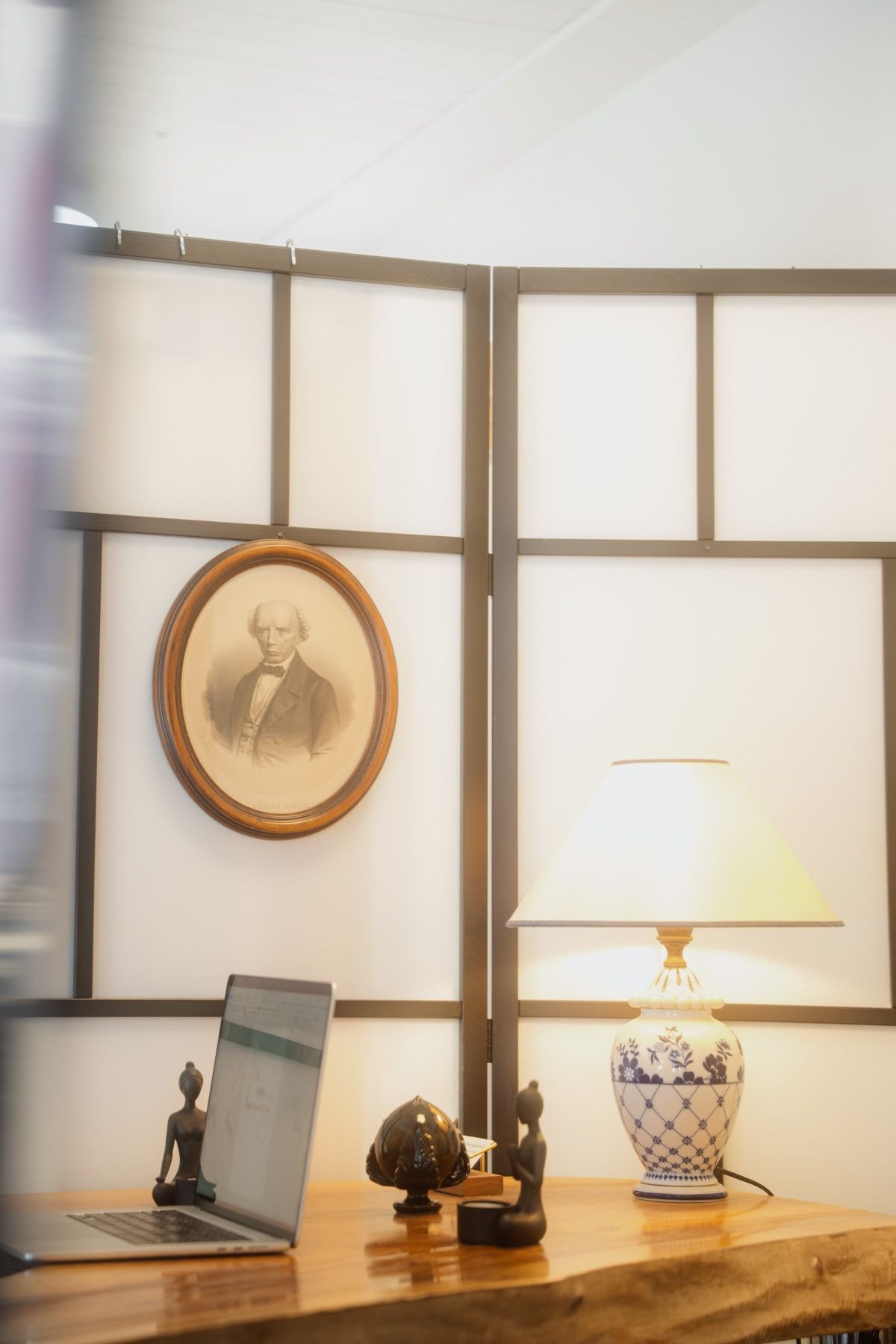
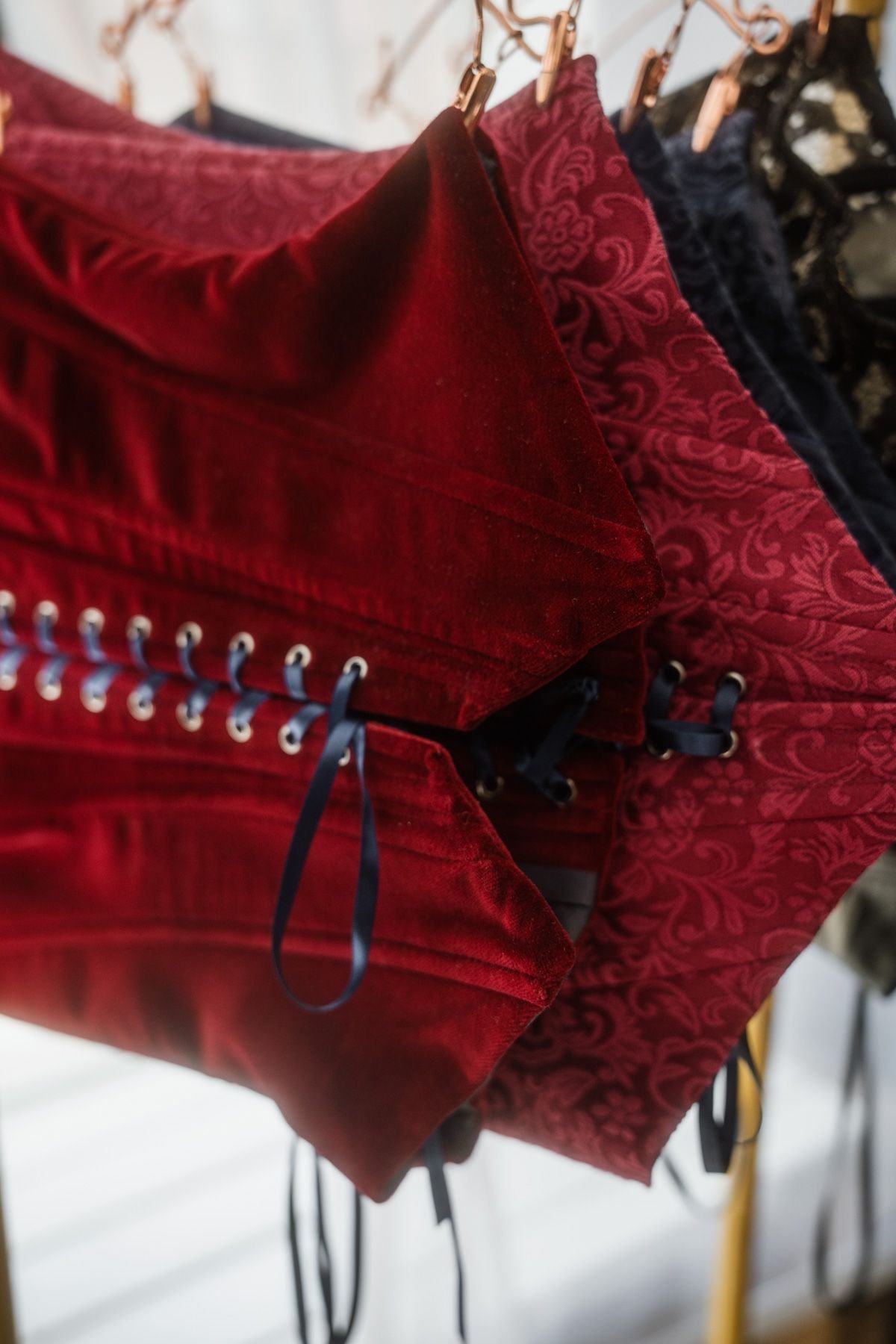
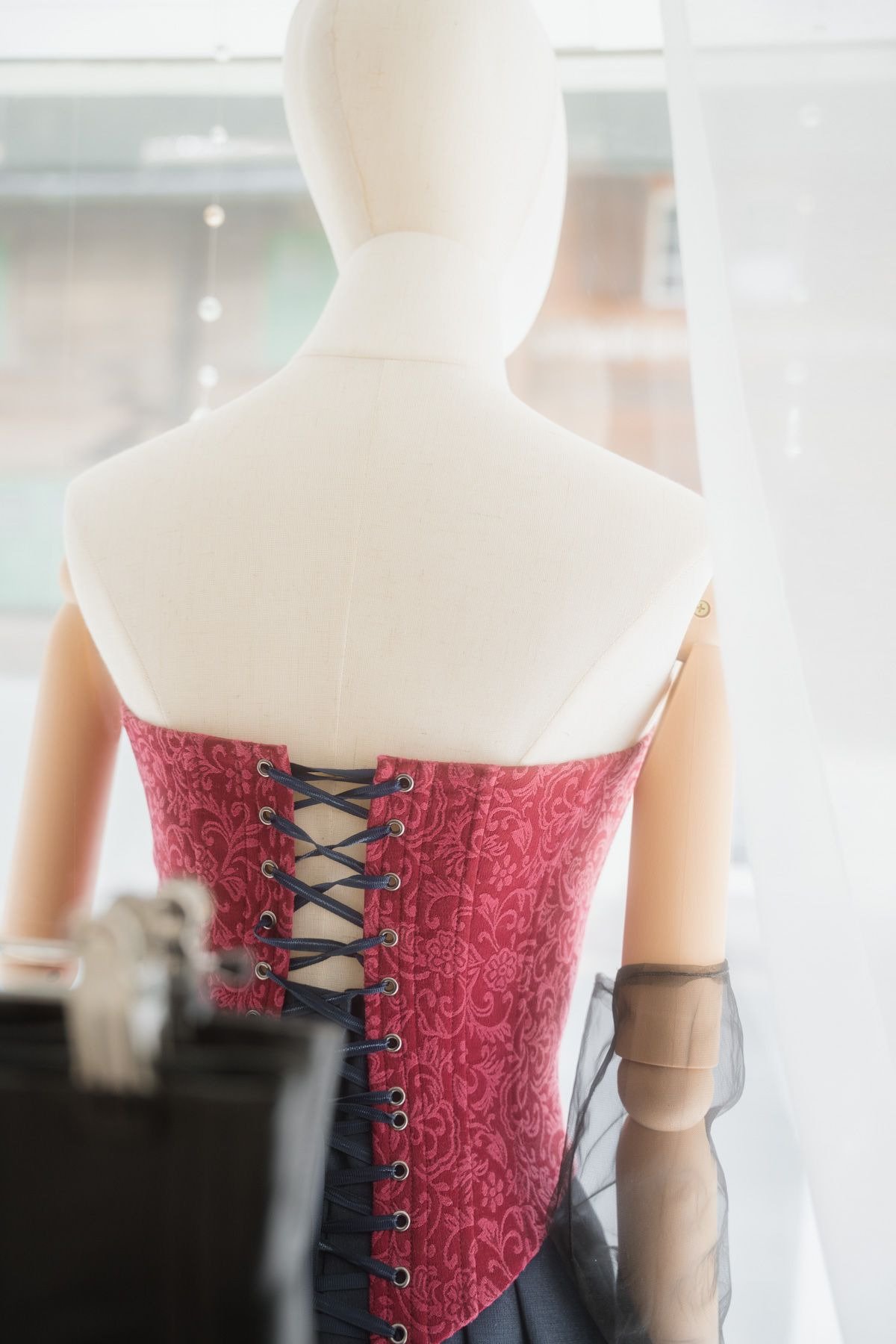
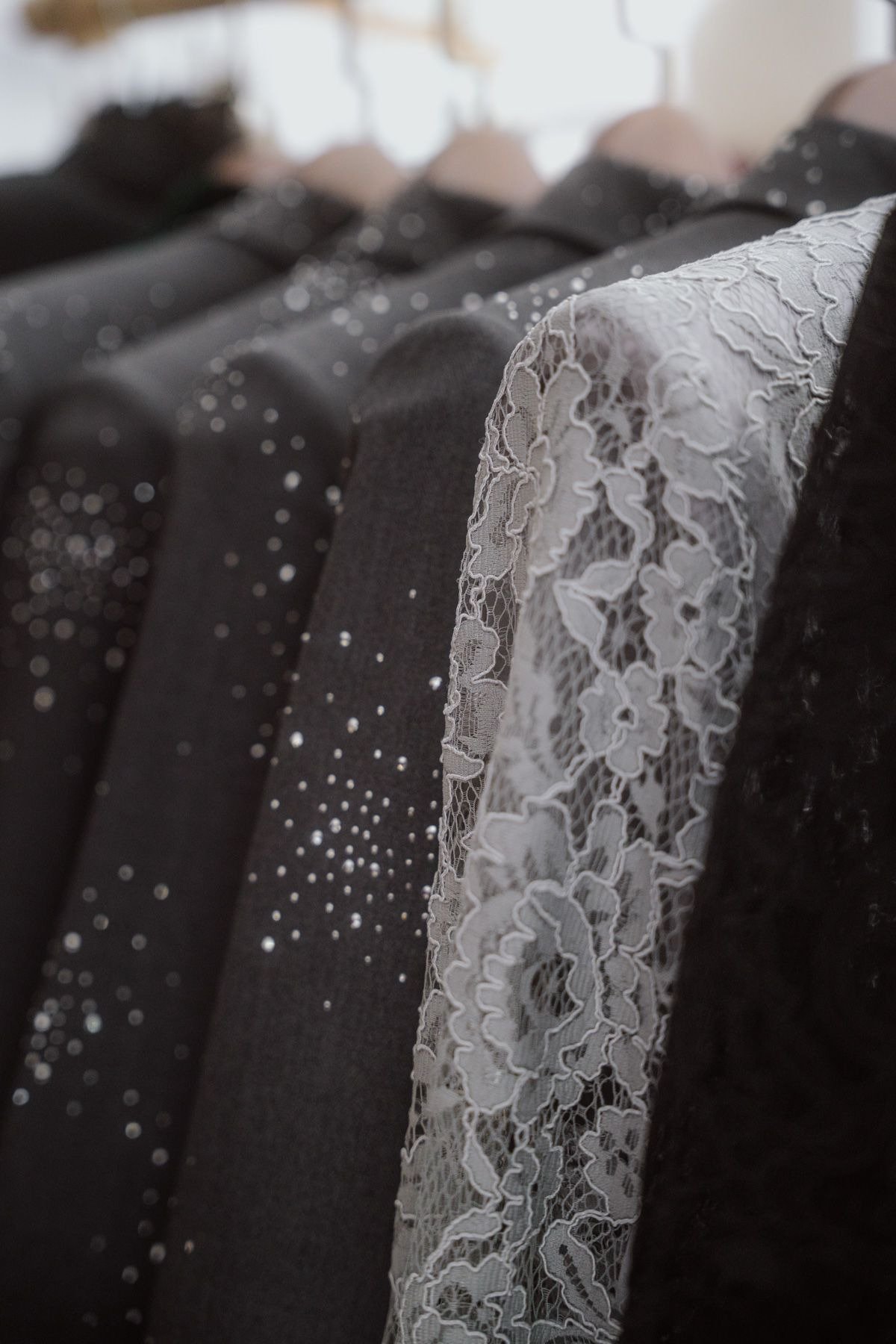
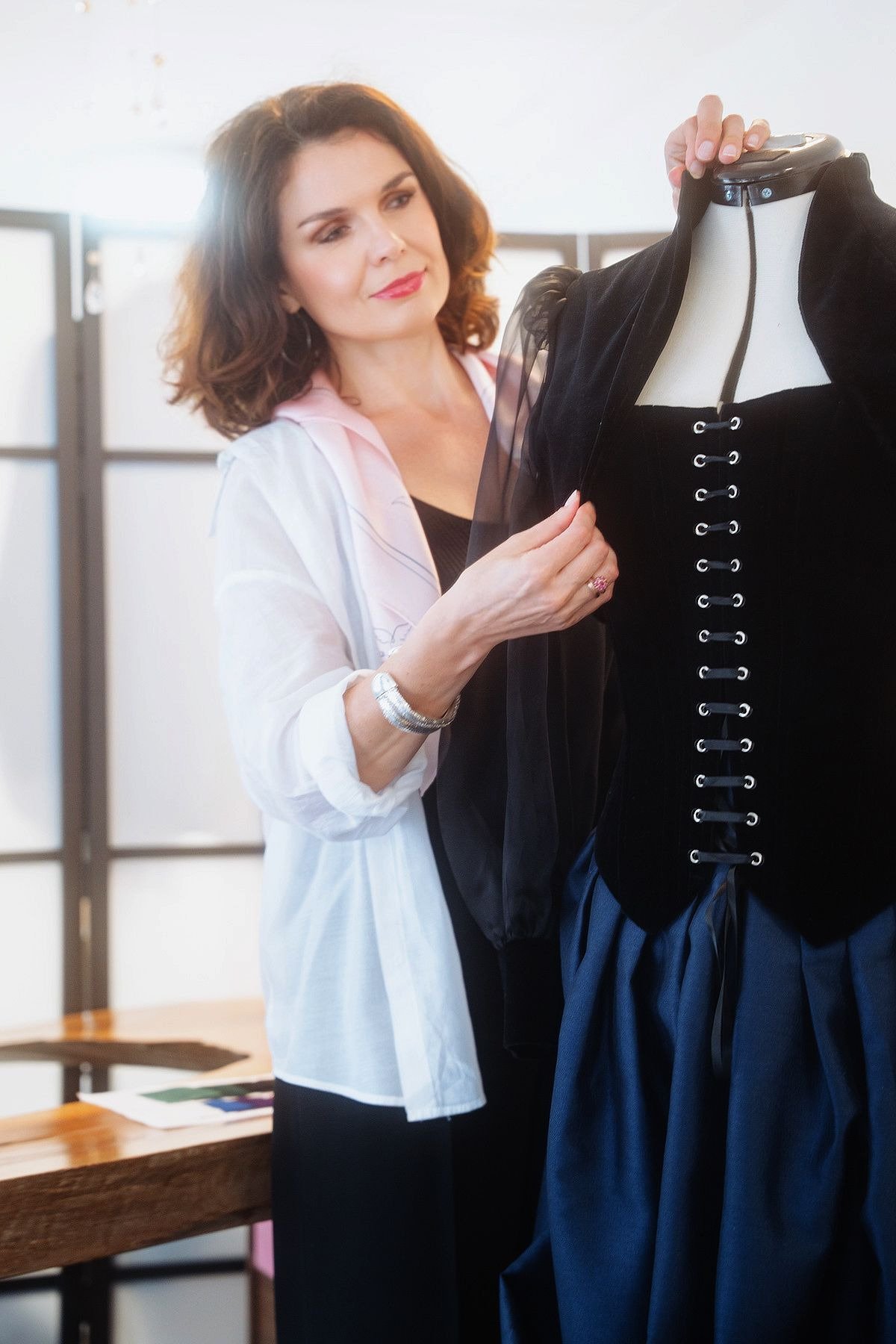
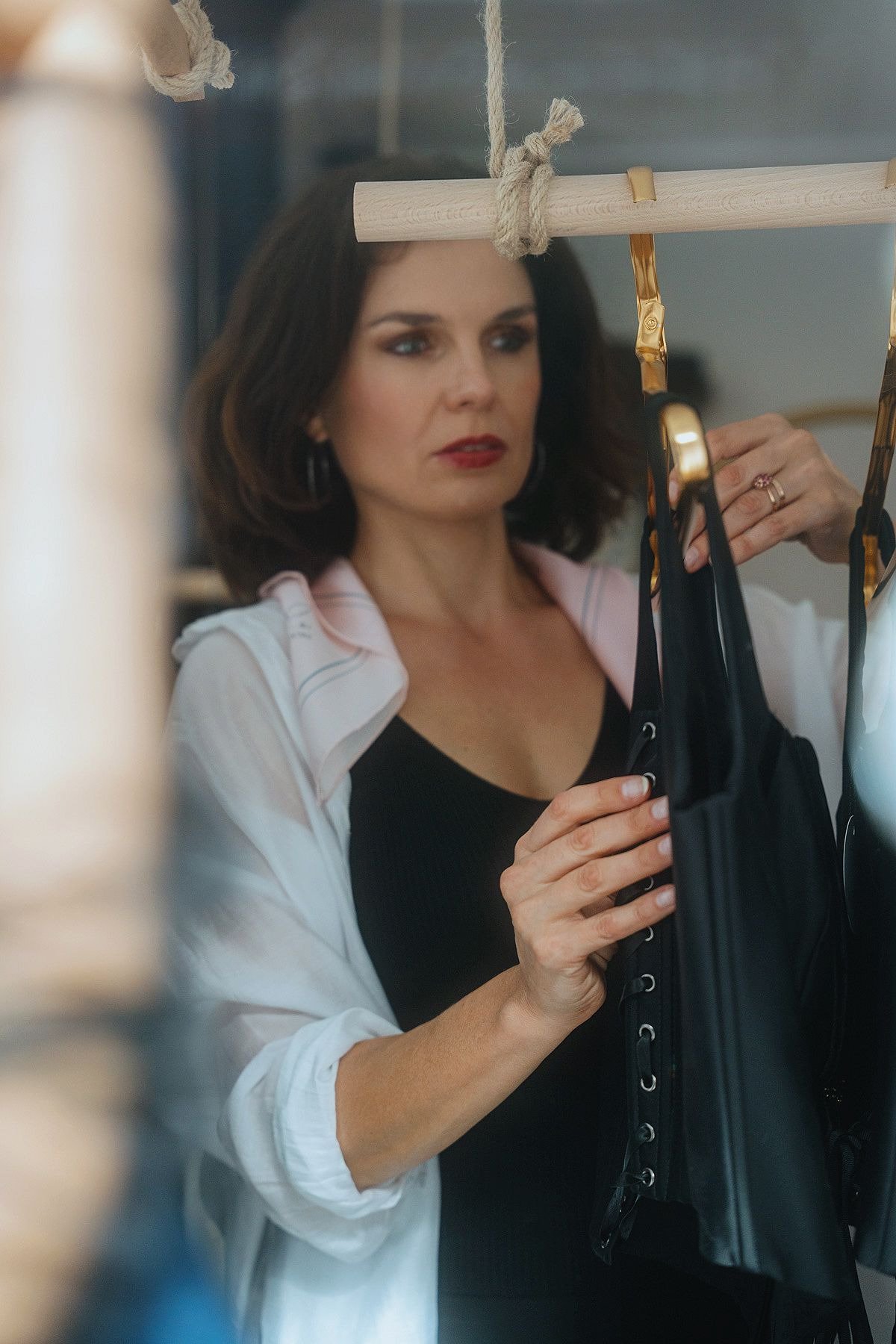
A small room, a rail of garments, corsets on the dress forms. This is where alterations, repairs and bespoke pieces take shape.
How did you first become interested in sewing? Do you remember the first thing you made?
I started sewing as a child, when I was about eight or nine years old. Back then, I made clothes for my dolls. I began sewing my first proper garments while studying at college and later continued my education at an institute of technology.
How long have you been working in this profession, and how did you establish your atelier?
I have been working in this profession for around 30 years, both as an employee and independently.
After moving to Switzerland, I decided to continue my work in sewing and tailoring. I got to know the owners of local sports shops and offered them my services for clothing repairs and alterations.
For the first two years, I worked from home and gradually built up a regular clientele. In December 2023, I was offered a small space inside the Brocki, the local second-hand shop.
At first, most clients came for clothing repairs and alterations. Over time, I also began receiving orders for bespoke garments.
Alongside client commissions, I create pieces for my atelier’s own collection. Corsets are a particular passion of mine.
II
The Tools
Scissors, pins, thread and machines, each with its own job.
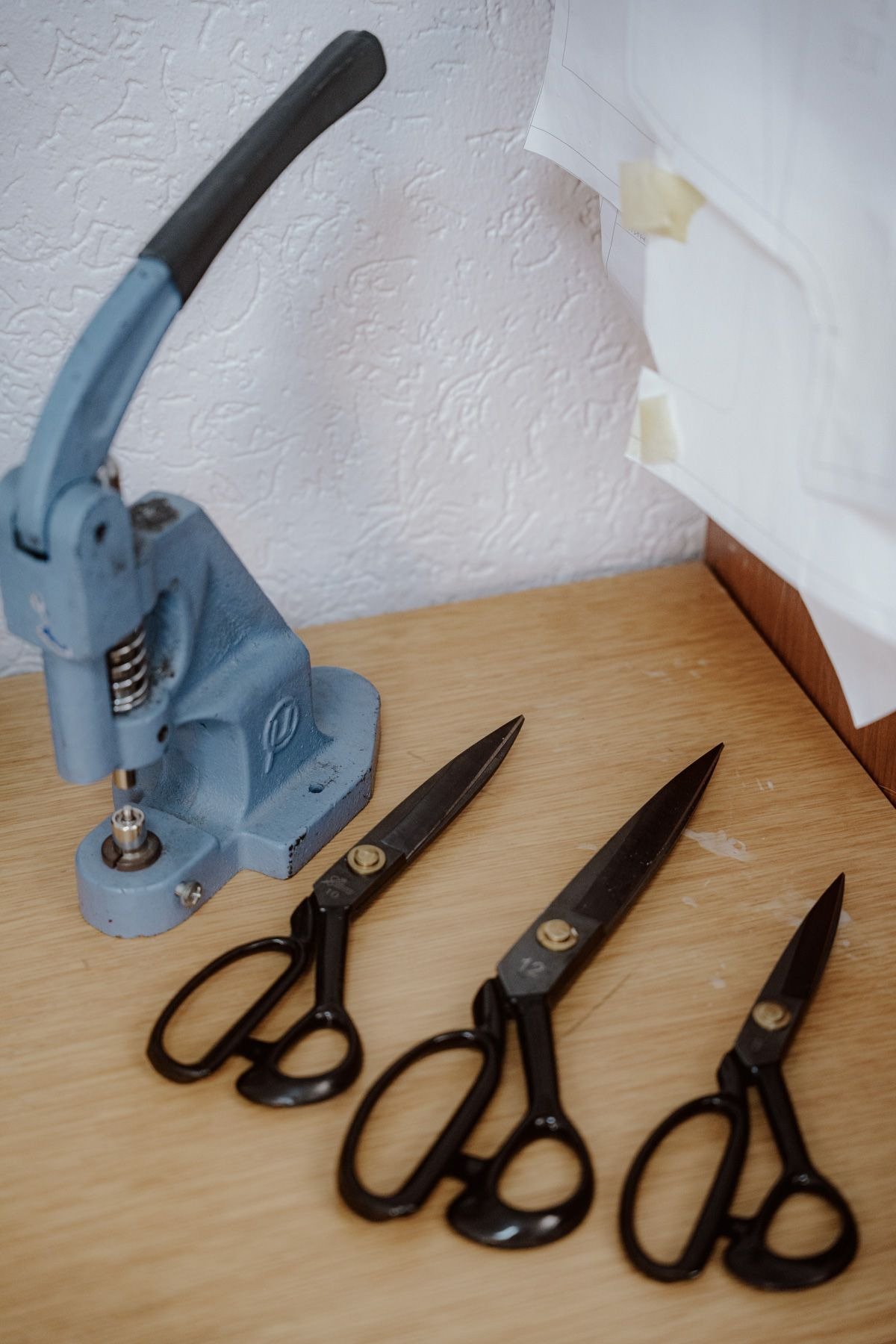
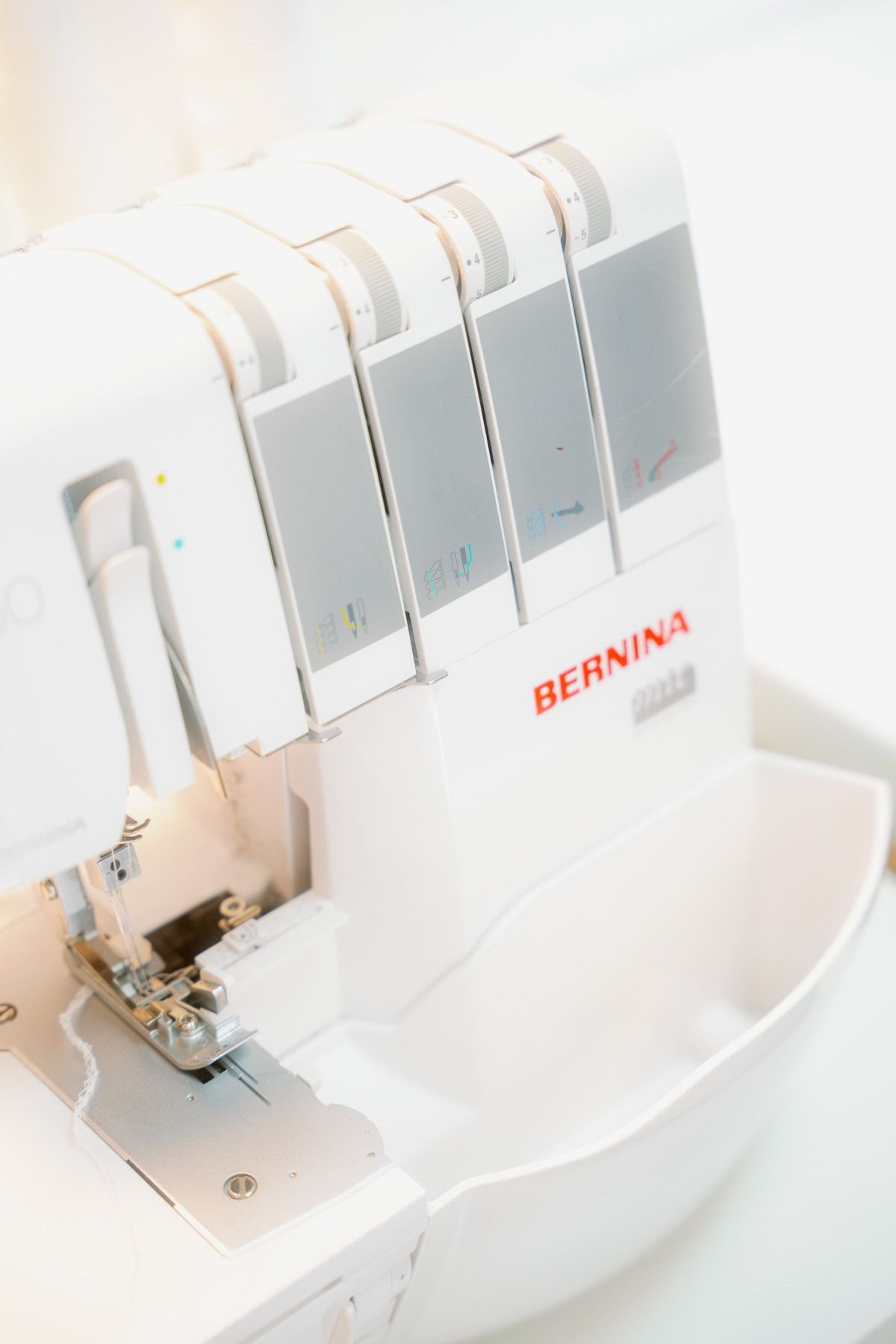
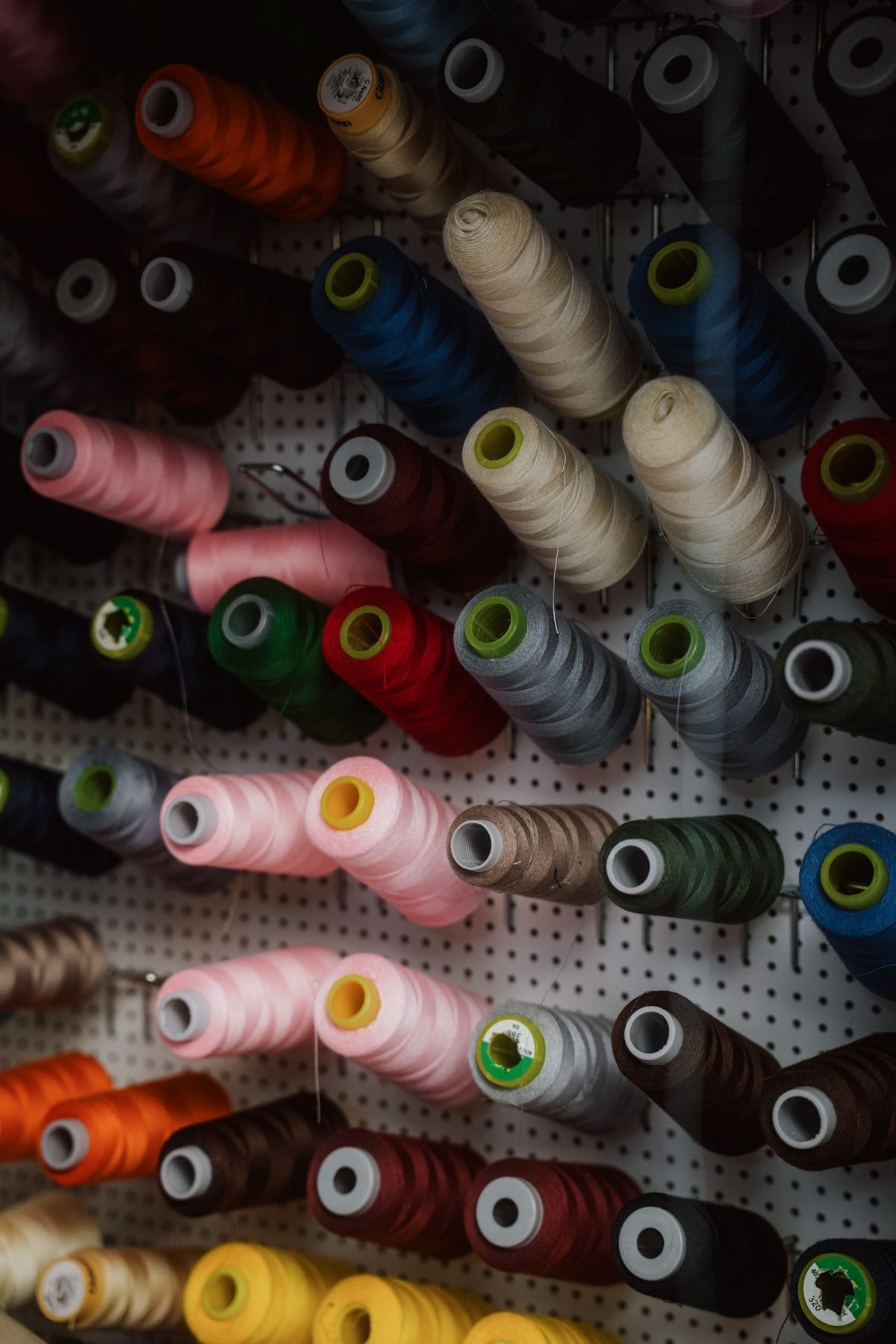
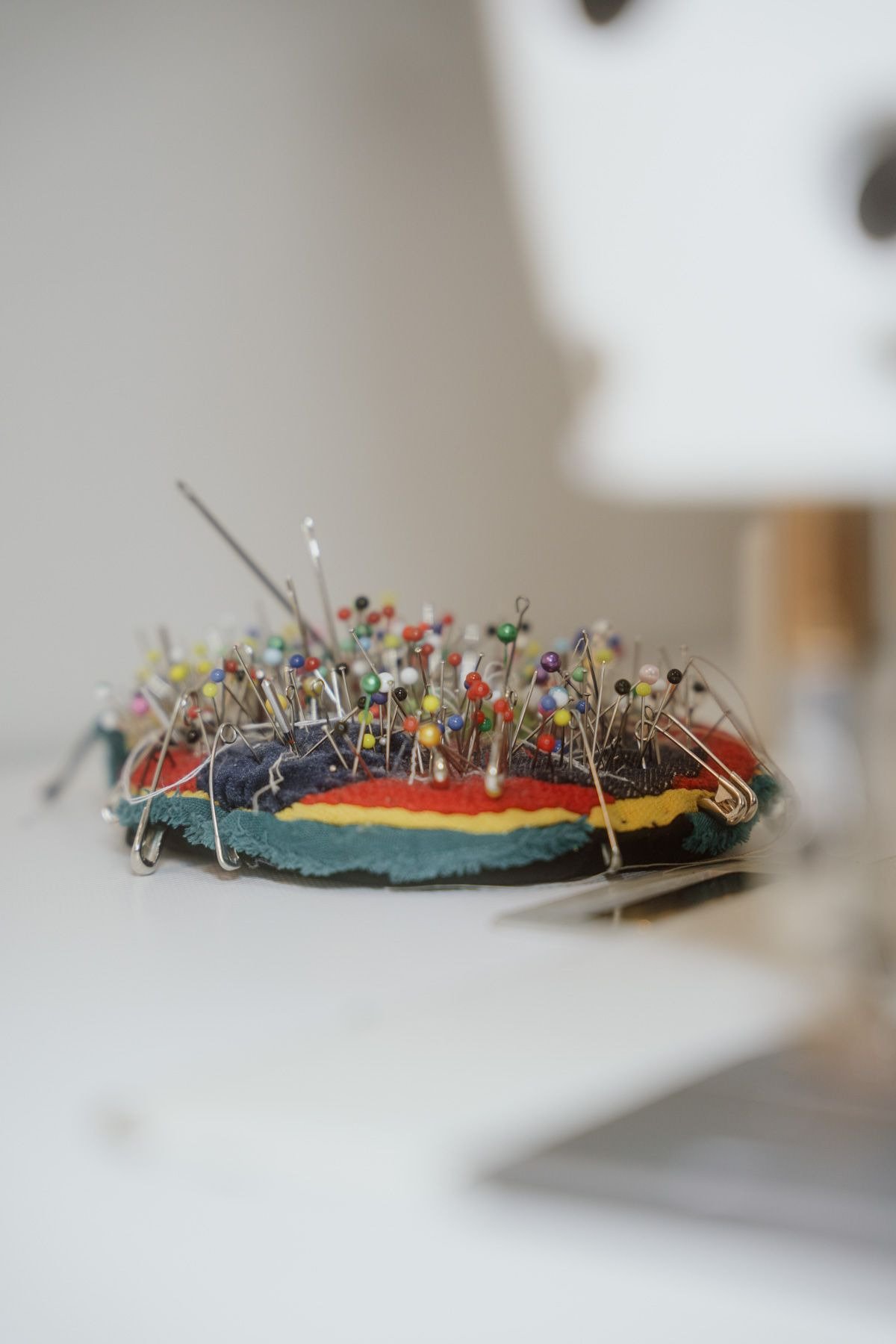
Which tools are essential to your work?
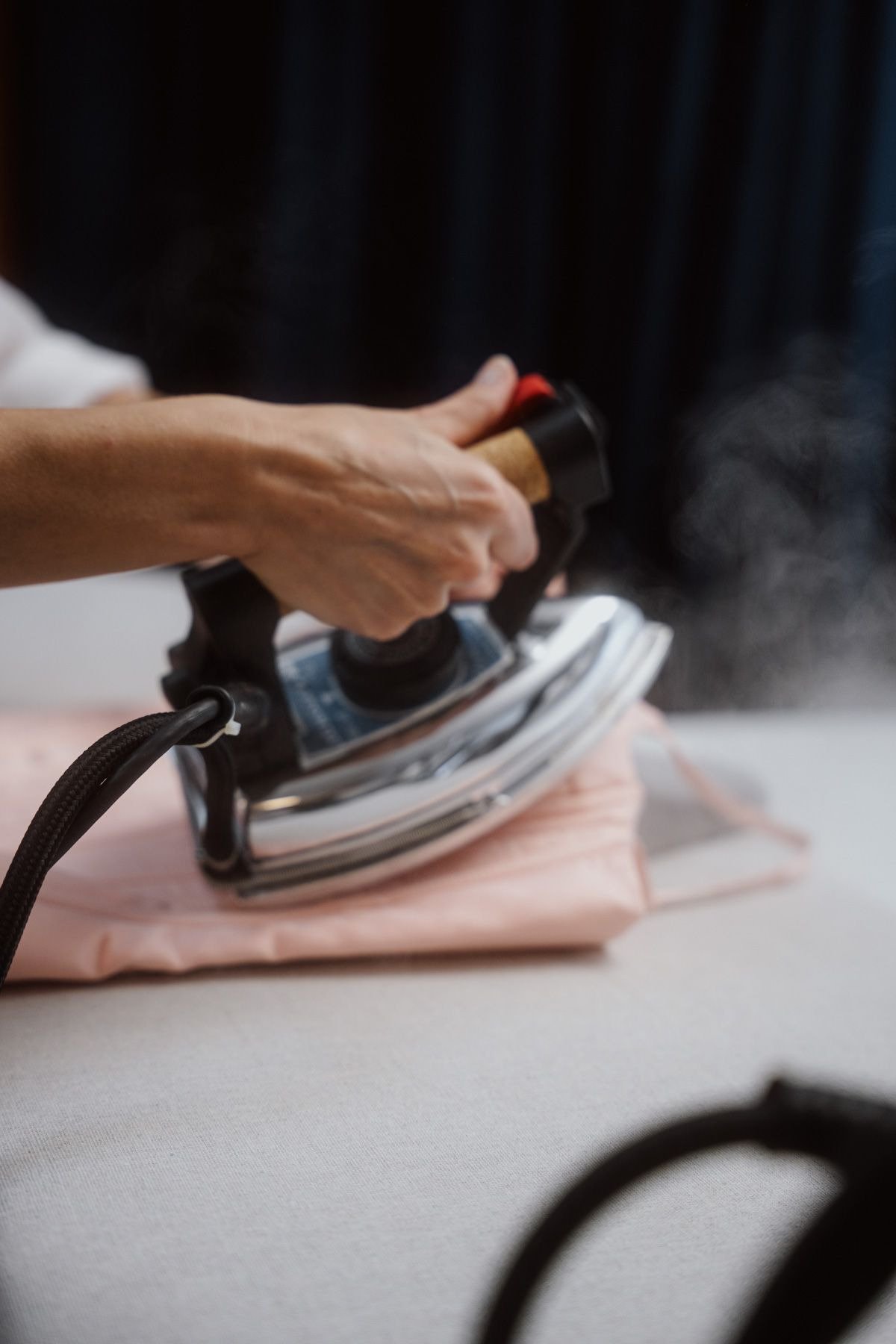
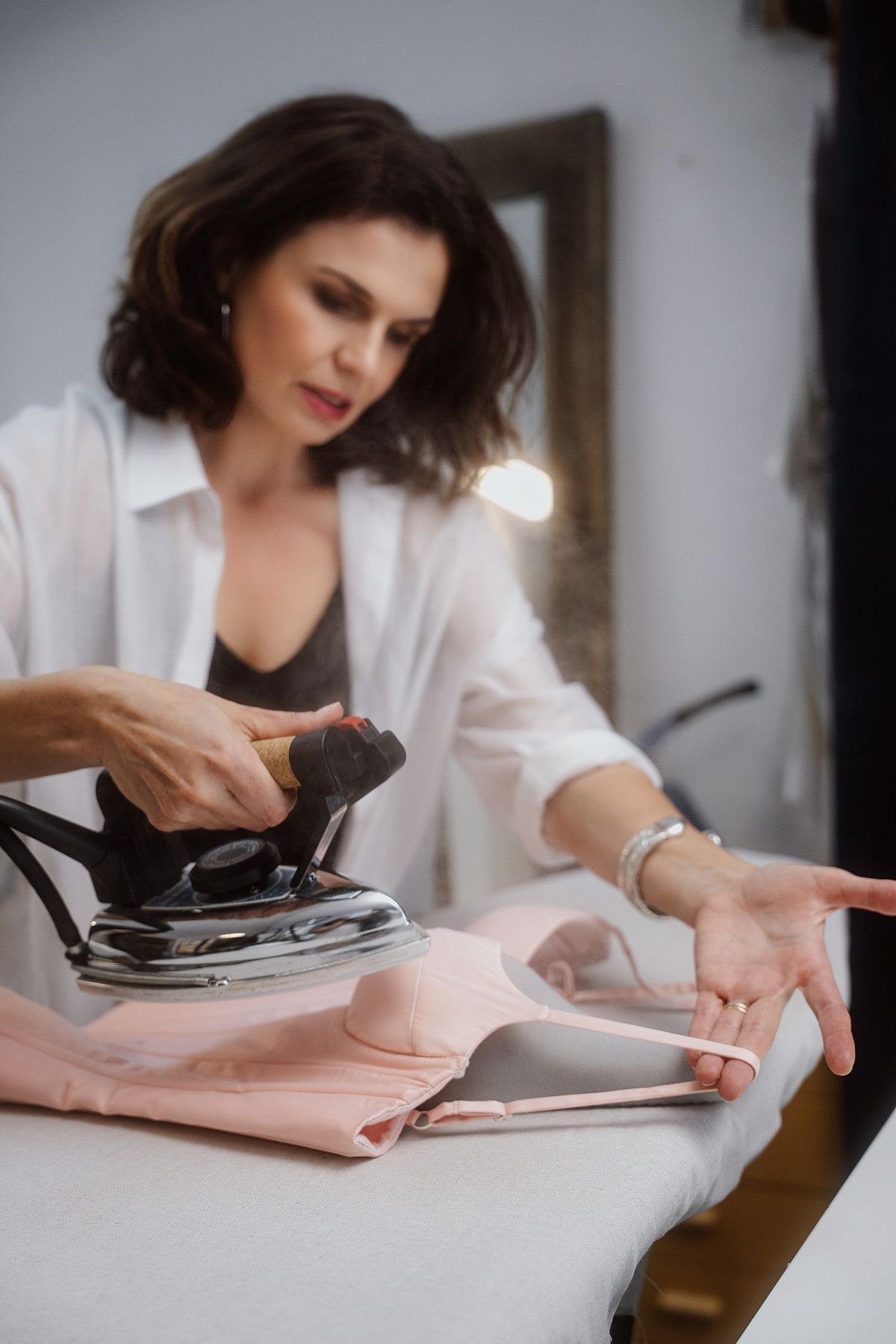
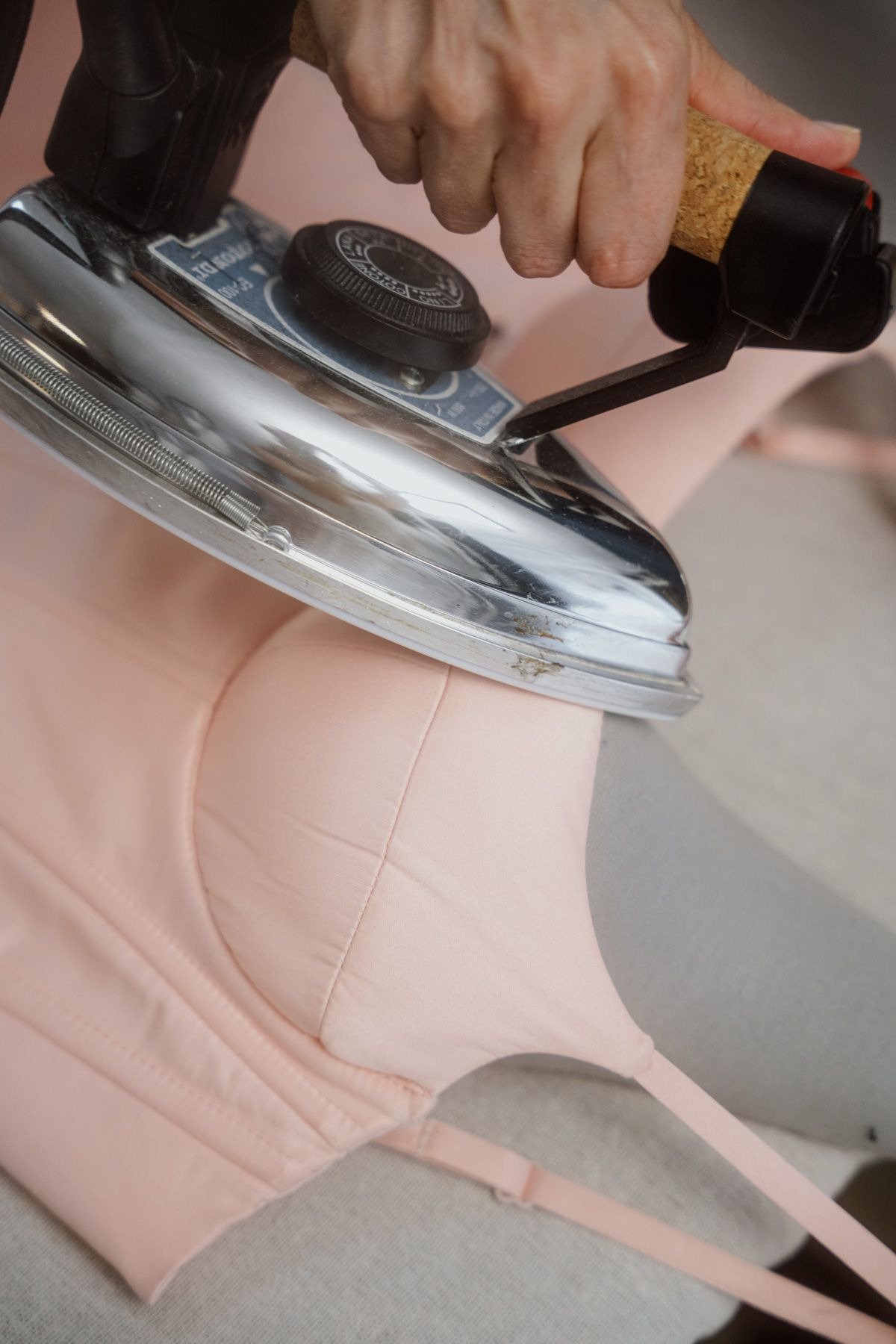
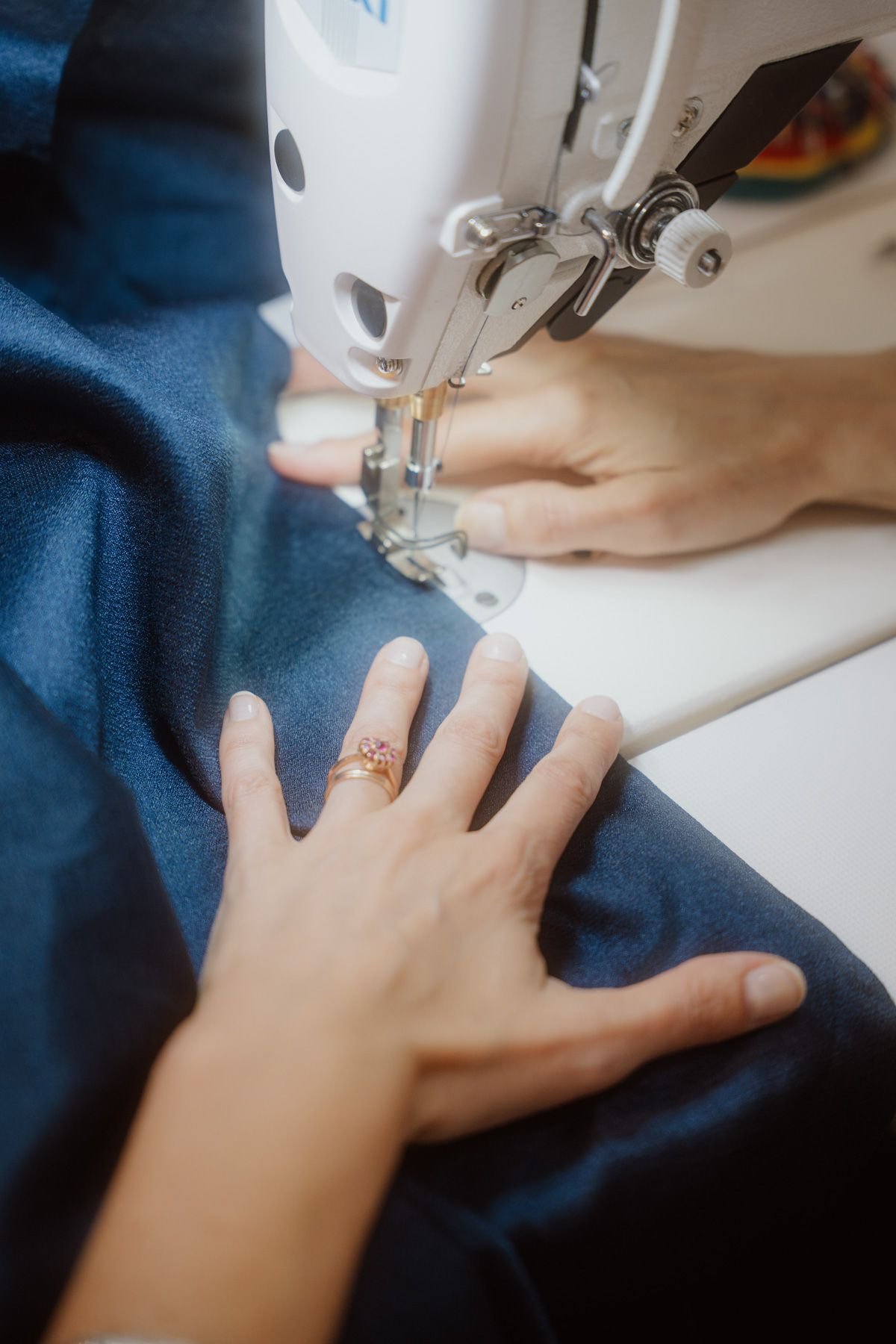
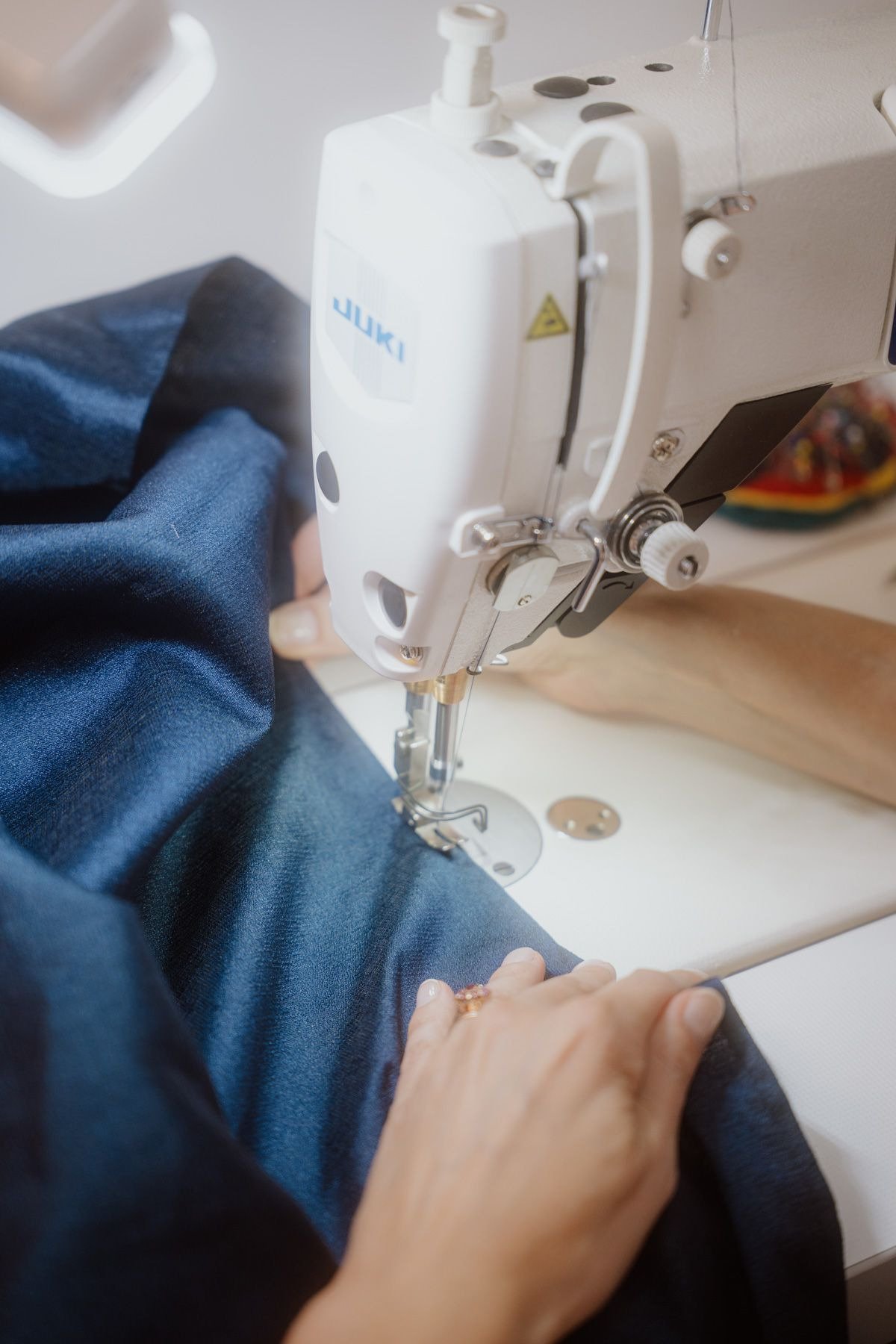
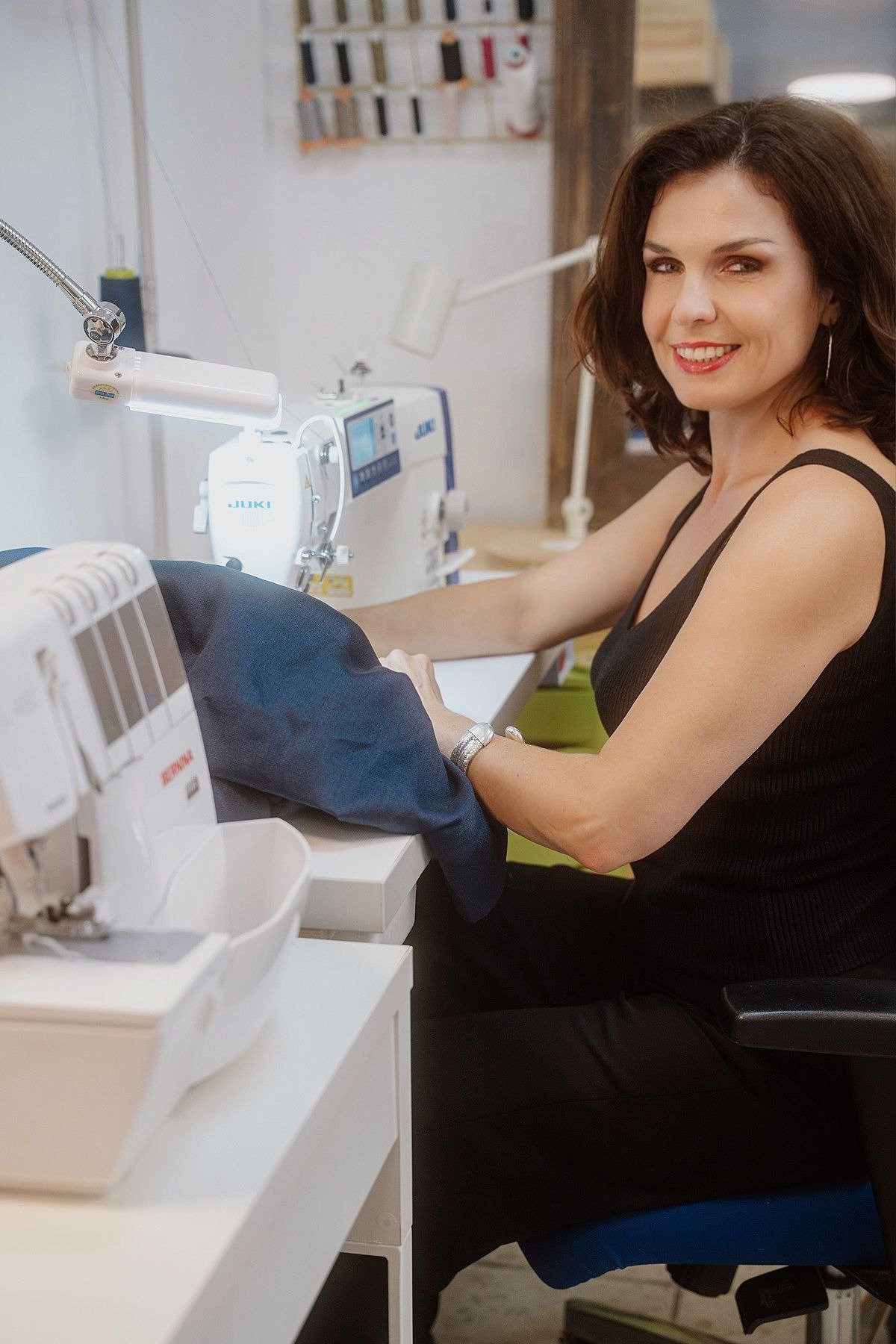
An industrial sewing machine, an overlocker, a domestic sewing machine for specialised stitches, a steam iron with a separate steam generator, and a large cutting table.
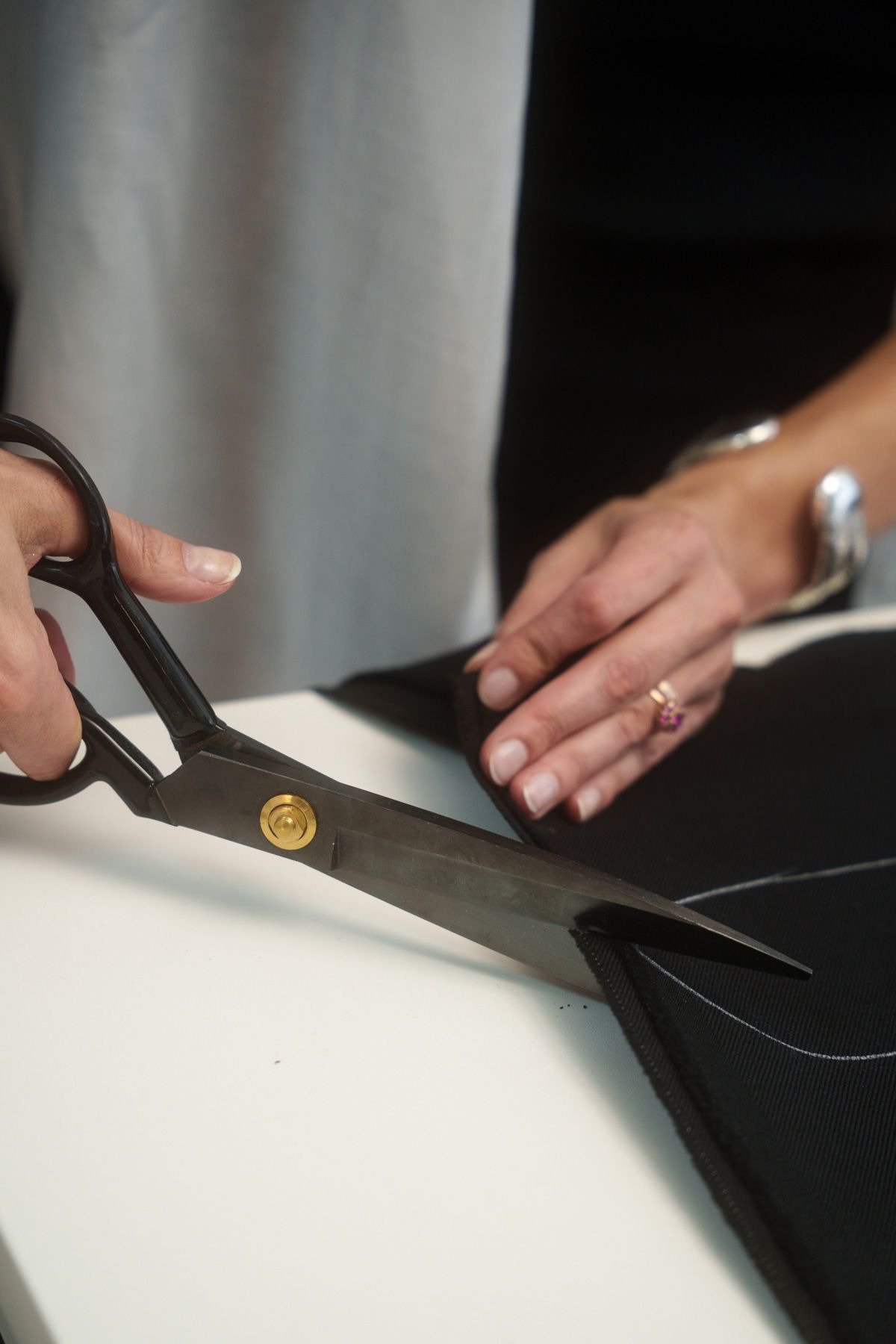
Replacing a zip properly can take at least two hours. Making a tailored jacket takes at least eight hours.
Anastasiia Rudkovskaia
III
The Pattern
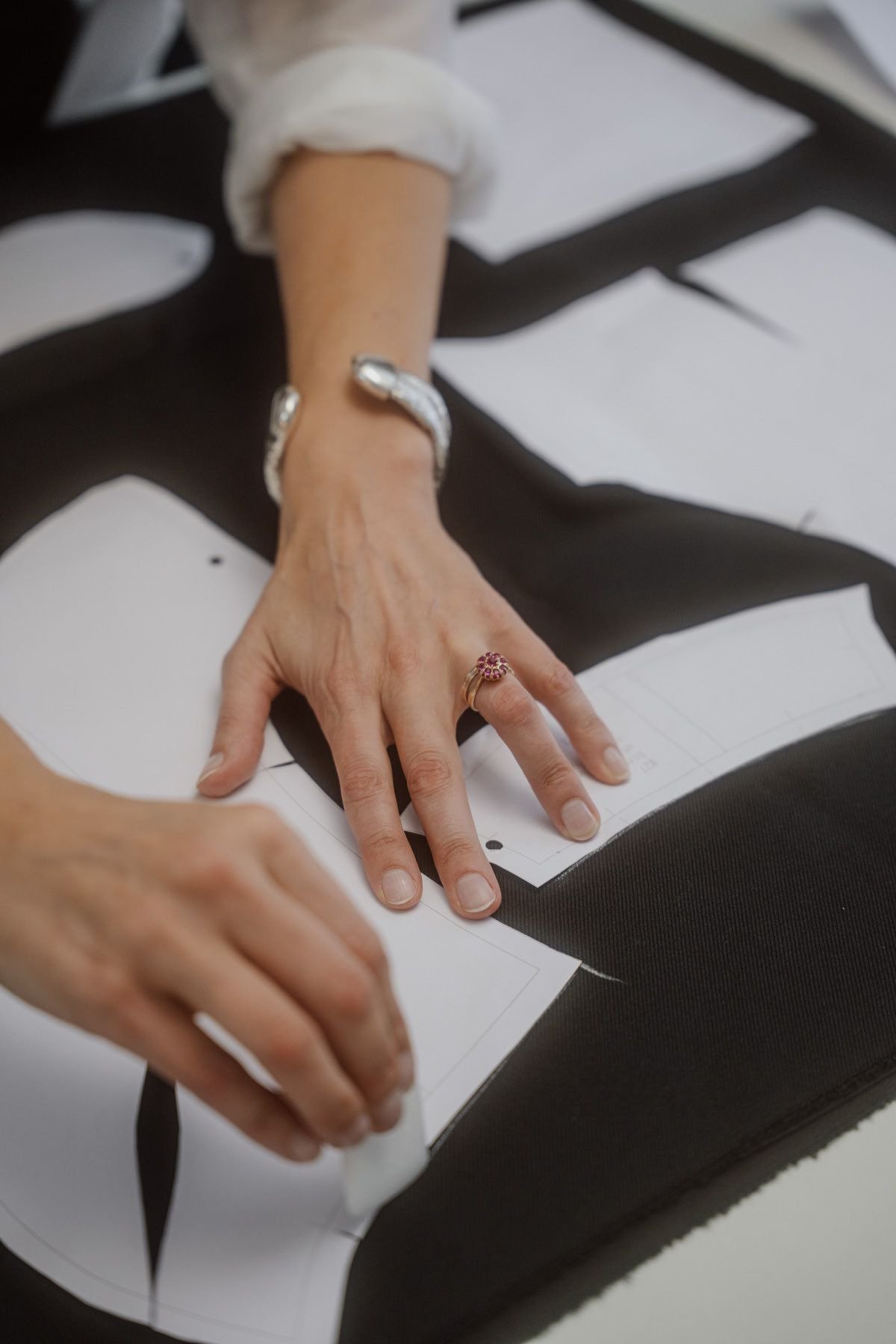
Every piece starts on paper. The pattern lays the foundation for the fit.
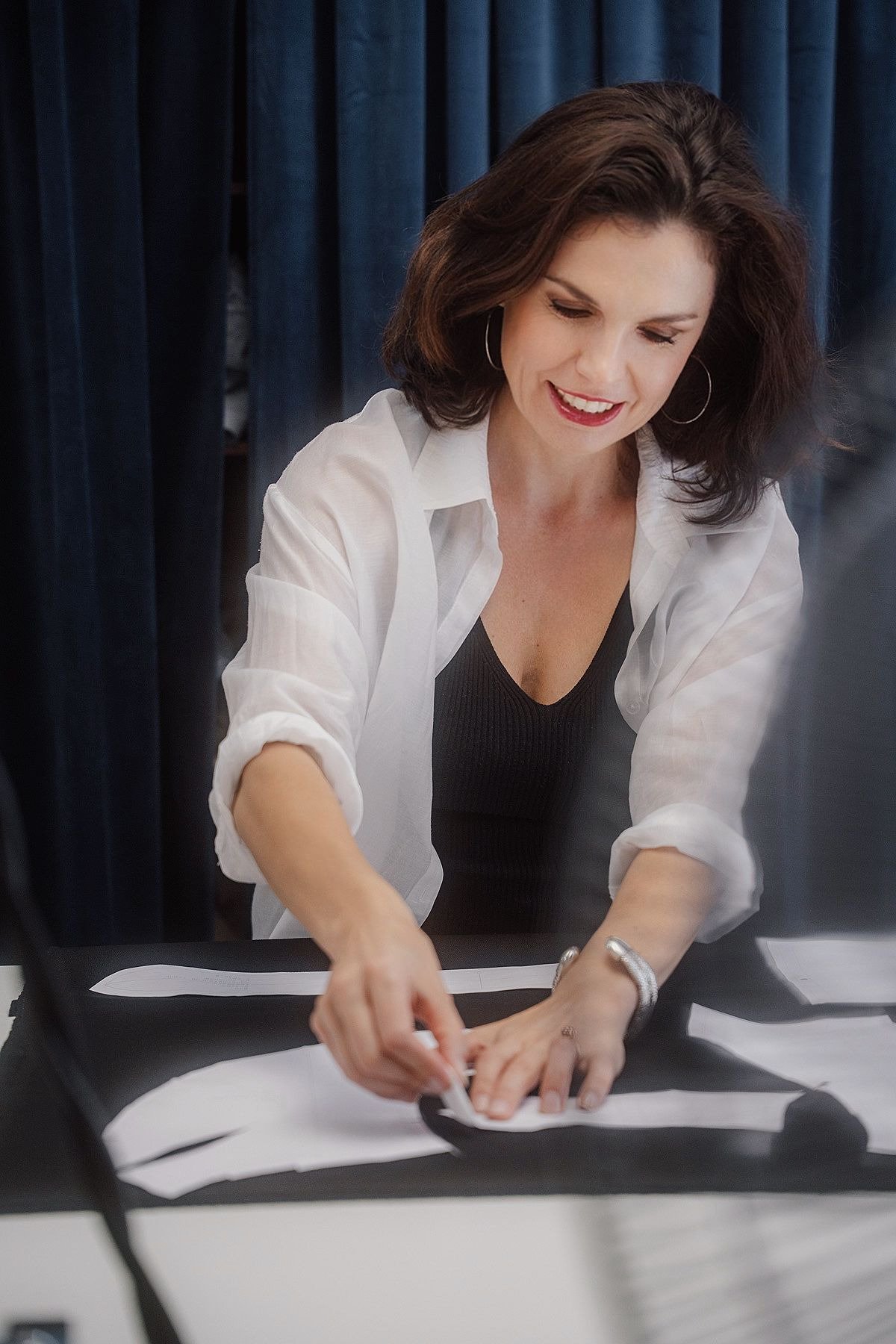
Where does the process of creating a garment begin?
A bespoke commission always begins with the client: what they would like and how they imagine the finished garment.
When I work on my own collection, the process begins with an idea. I have my own style and my own interpretation of feminine elegance.
IV
Steam & Shape
Steam and patience give a corset its form.
Which part of your work do you enjoy most? And what do people often overlook?
I love presenting the finished result, especially through photography and video.
What people often don’t see is how much time goes into the work itself. Replacing a zip in a jacket properly, for example, can take at least two hours. Making a tailored jacket takes eight hours or more.
V
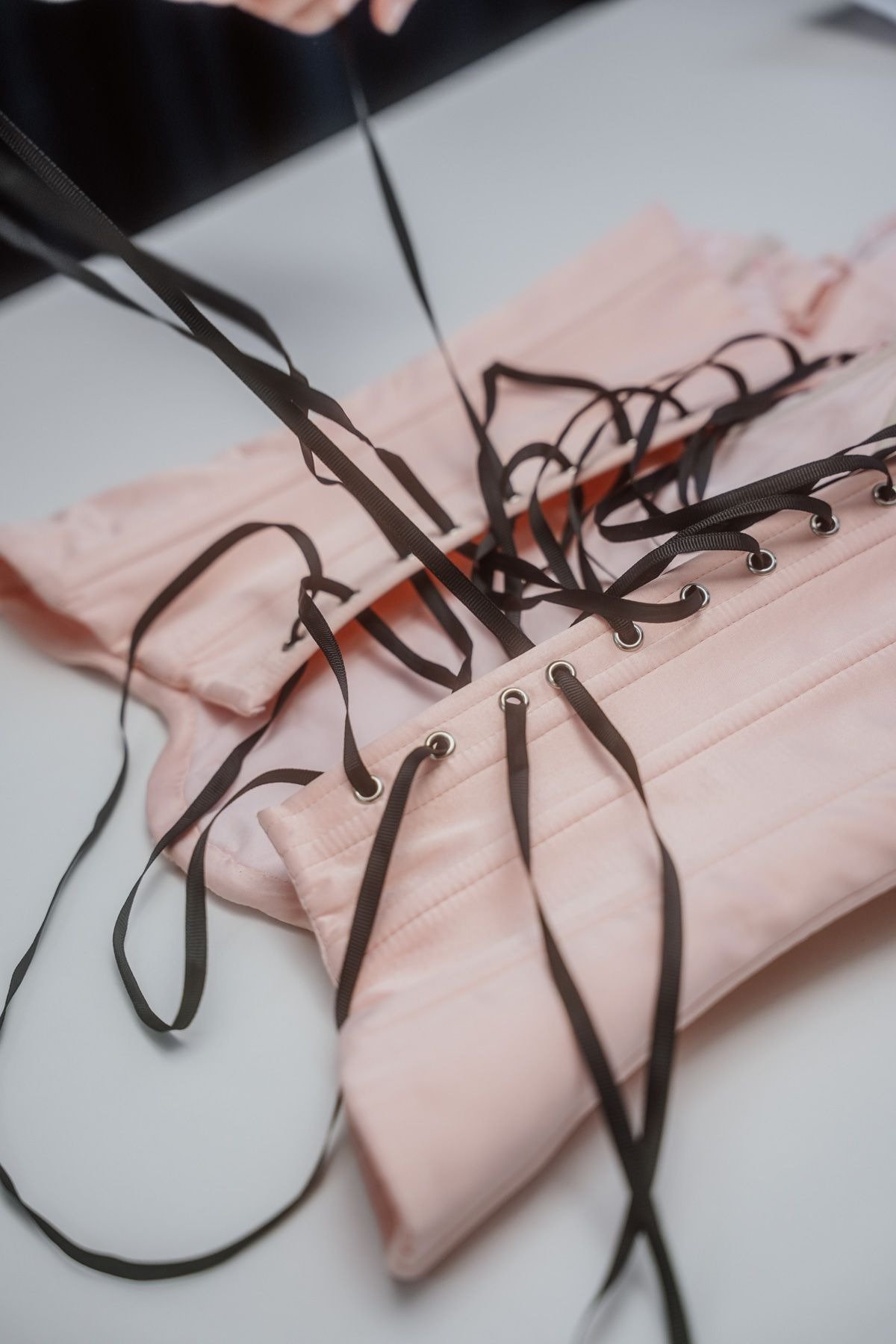
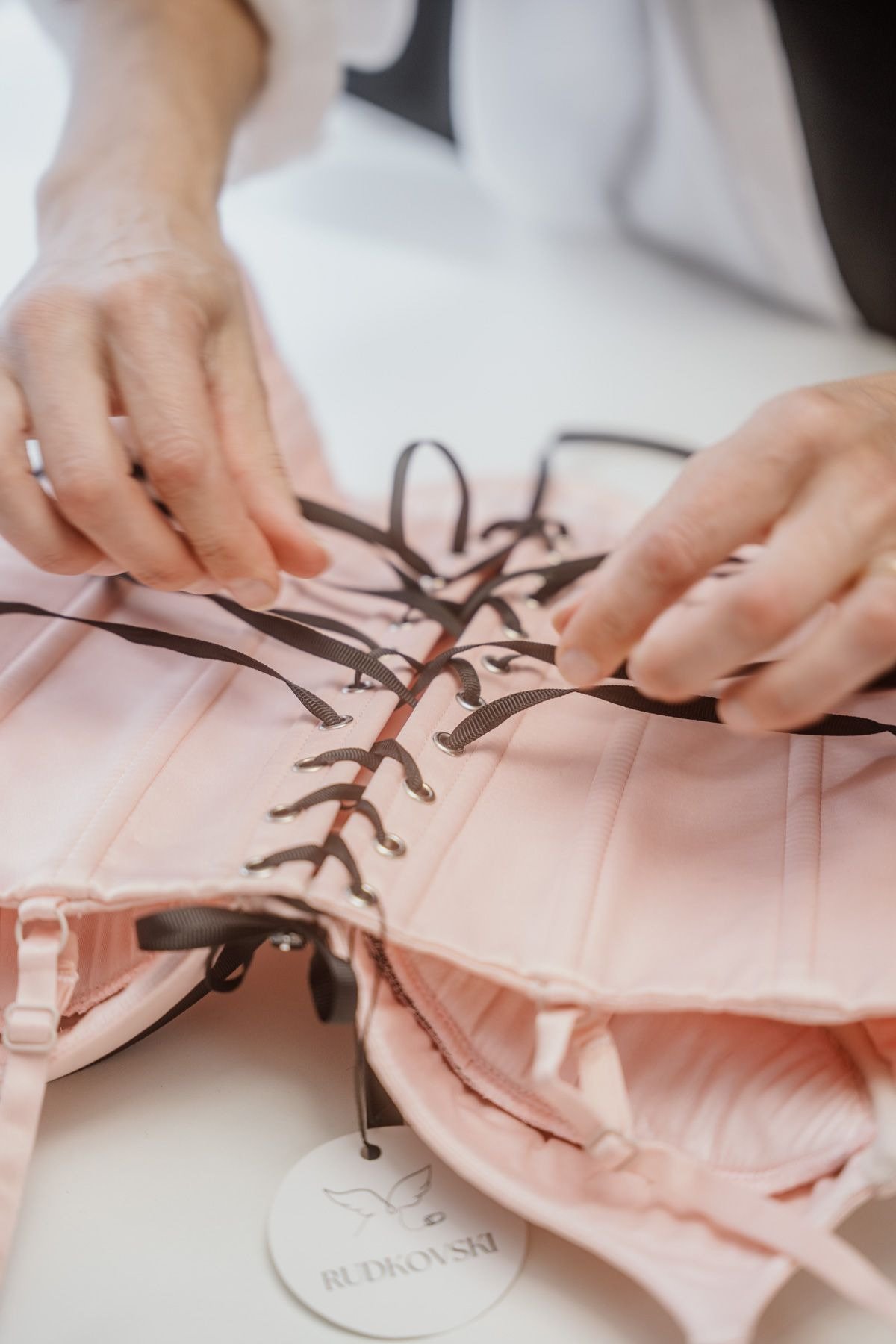
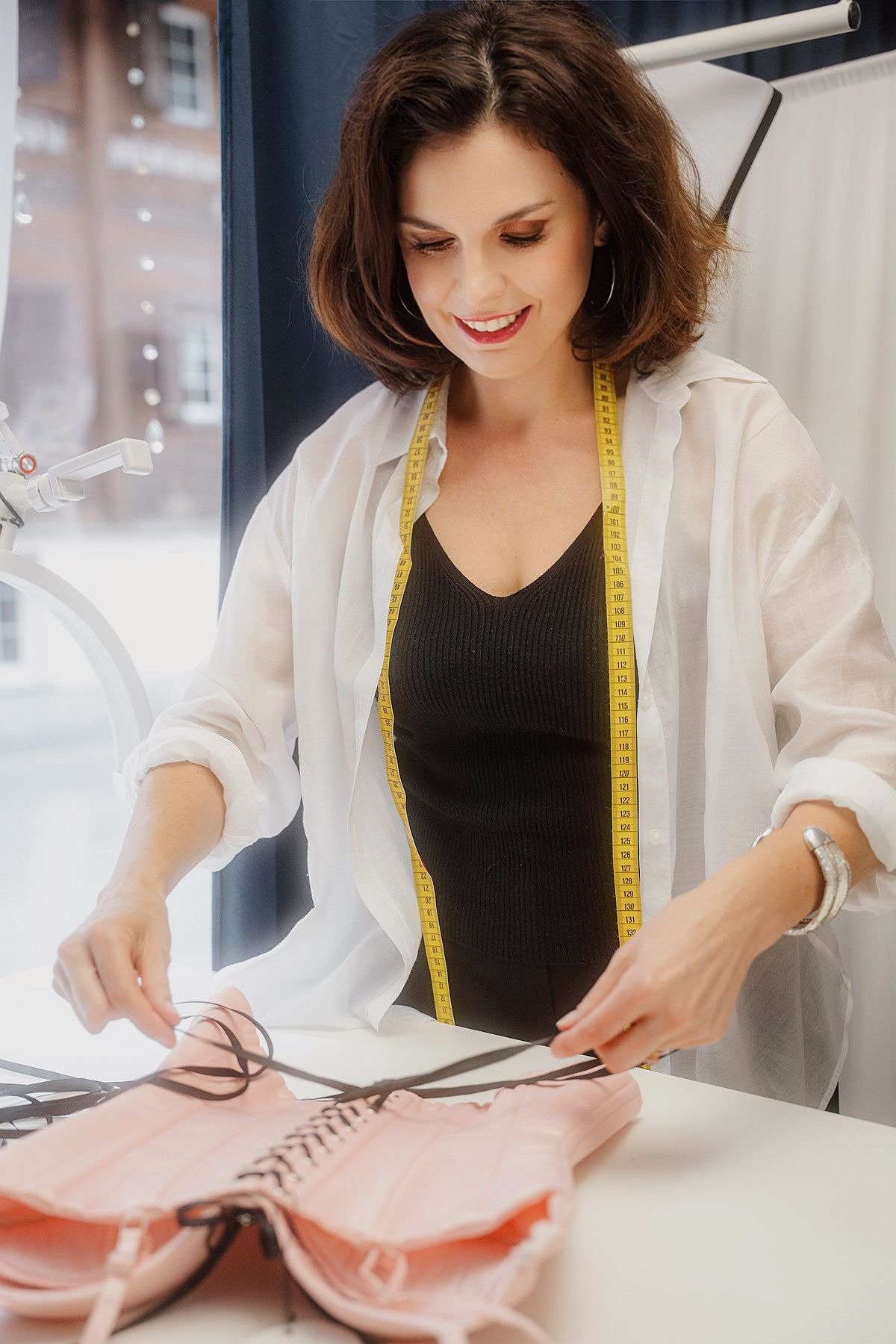
The Lacing
Corsets are her particular passion, down to the last ribbon.
What separates truly good craftsmanship from work that is simply neat?
For me, good craftsmanship is about more than straight seams.
A garment should fit well and hold its shape. The right solution depends on the fabric, the person’s proportions and what the garment needs to achieve.
Good craftsmanship is about more than straight seams.
Anastasiia Rudkovskaia
VI
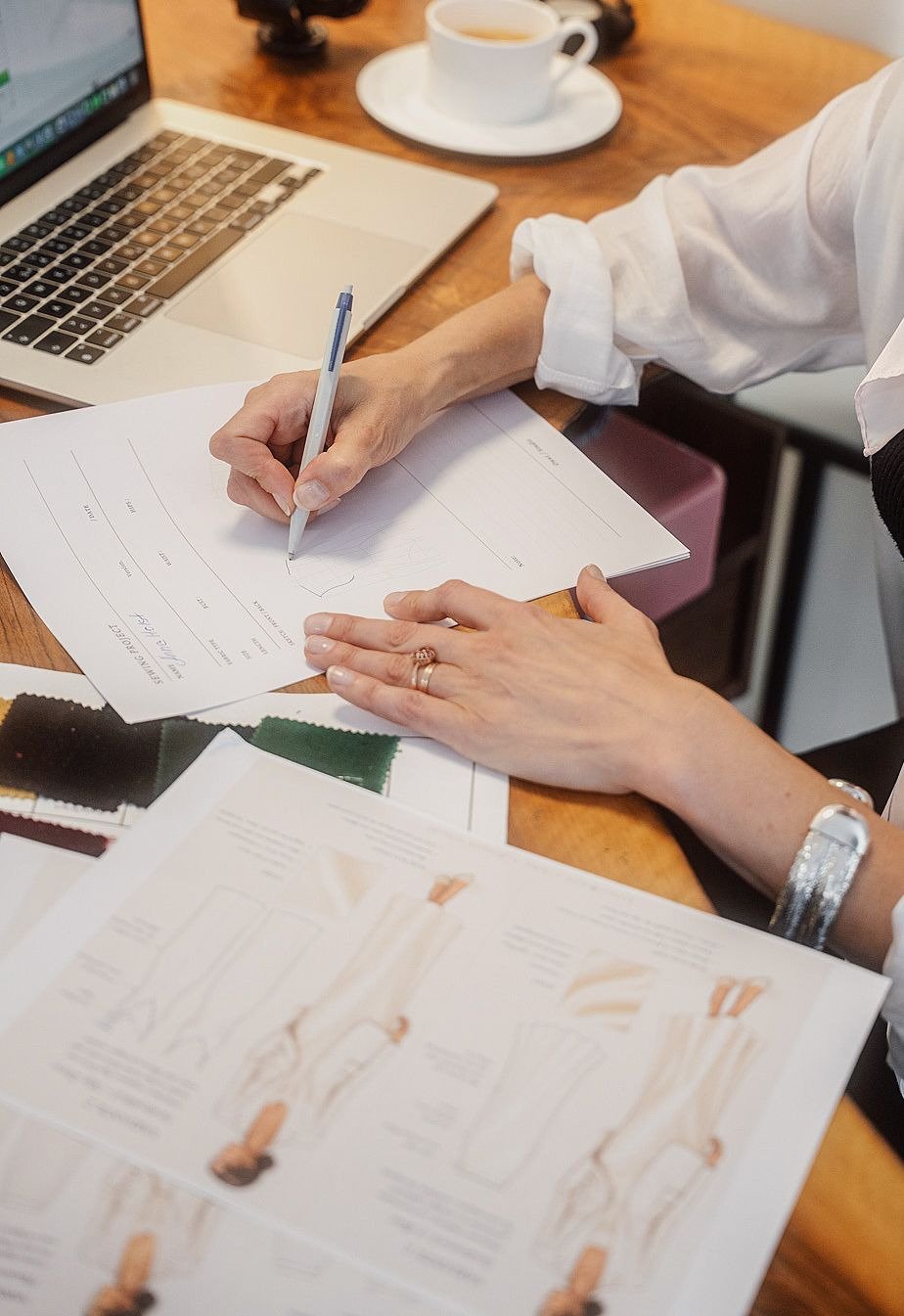
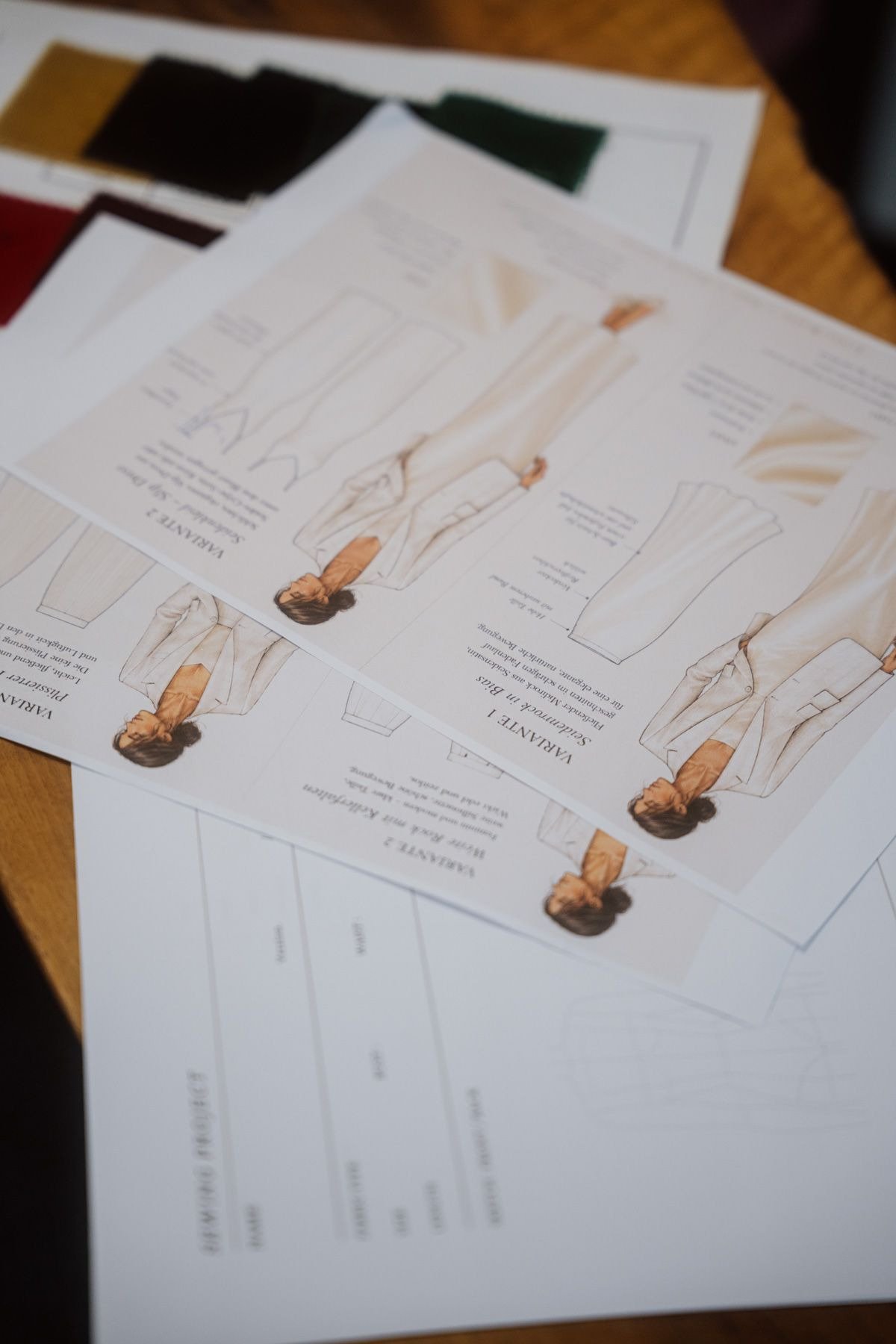
The Sketch
Her own collection begins with an idea and a pen.
What do clients most often come to you for?
Most of my work involves altering both new and older garments.
I also take on bespoke commissions, although they require a great deal of time, so I can only accept a limited number.
I enjoy not only making something new, but also giving favourite pieces a second life.
Is there a particular client story that has stayed with you?
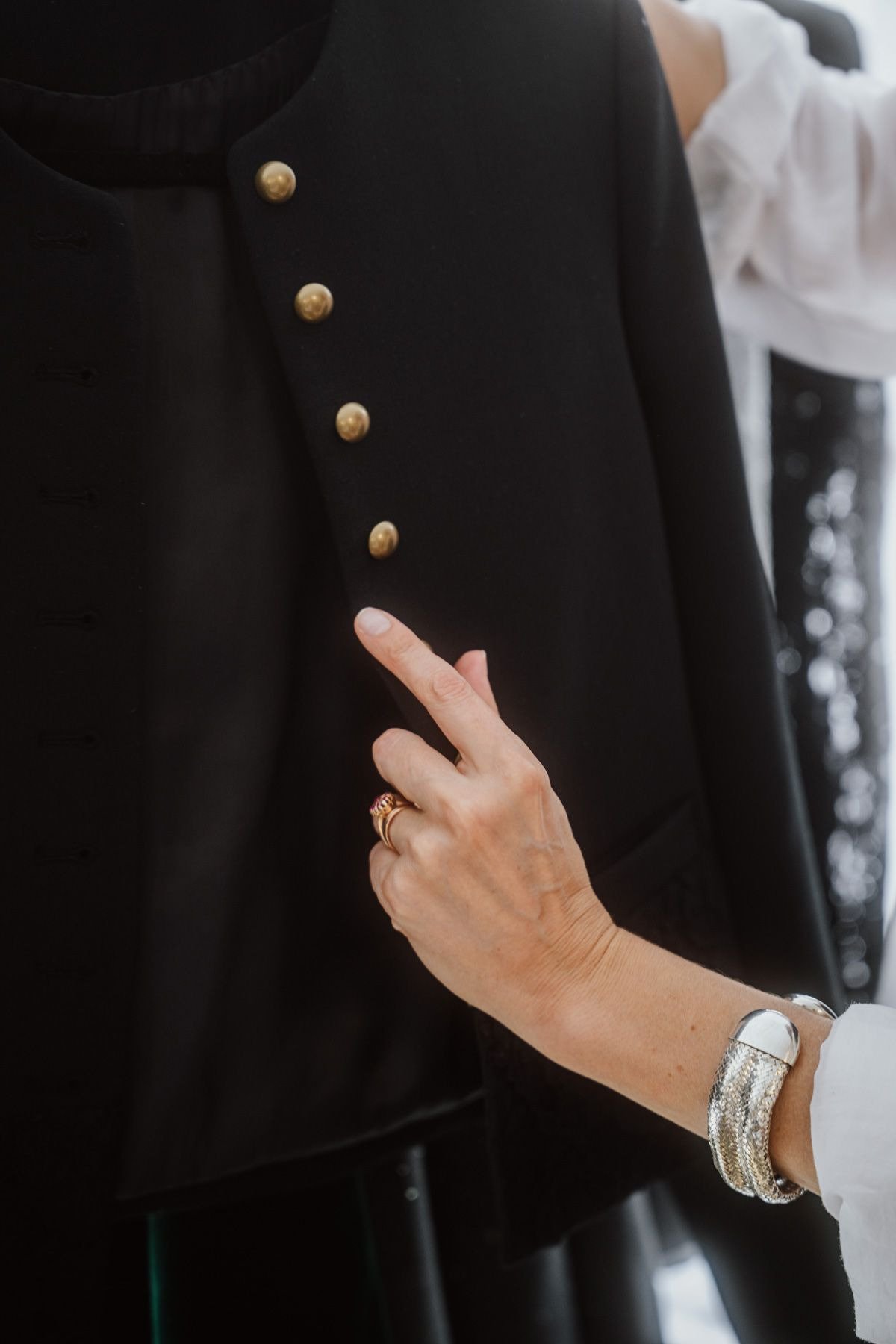
One of the first memorable commissions was a complicated alteration of an Austrian jacket by Stajan. The client needed it enlarged by several sizes.
She had already approached several ateliers in Zurich, where she had been told it wasn’t possible.
I managed to find a suitable solution, and the result turned out very well. Afterwards, I began receiving more requests for similar alterations.
VII
The Fit
A garment made for one person, shaped around their proportions.
What makes a bespoke garment different from something bought in a shop?
A bespoke garment is made for a particular person. The cutting and fittings take their individual proportions into account, and the client can choose high-quality fabrics.
A well-made garment can last for many years.
How do you feel when a client tries on the finished garment?
When a client is happy with the result, whether it’s a new garment or a difficult alteration, I feel both joy and pride.
Those are the moments when I know I’m doing the work I was meant to do.
VIII
At the Machine
Hours of work behind every seam.
What advice would you give someone who wants their clothes to last?
Treat your clothes with care and follow the care instructions.
I generally recommend professional dry cleaning to my clients.
I enjoy not only making something new, but also giving favourite pieces a second life.
Anastasiia Rudkovskaia
Atelier RUDKOVSKI · Klosters, Switzerland
Portrait and reportage photography by Ksana Bach.
Planning a portrait or a visual story about your craft, studio or brand?
DISCUSS A PROJECT← ALL STORIES